Upcoming Smartwatches: Everything You Need to Know
What’s the Biggest Shift Happening in Upcoming Smartwatches?
Smartwatches are moving from passive tracking to active interpretation. Samsung has described its next-generation Galaxy Watch as shifting from simply logging health data to using AI to interpret things like sleep apnea, energy levels, and stress rather than just displaying numbers on a graph. That shift — from raw data to genuinely useful guidance — is the defining trend shaping smartwatches for 2027 and beyond.
Will AI Health Coaching Become a Standard Feature?
Yes. AI-powered health coaching is one of the fastest-maturing trends in wearables, translating raw sensor data into actual daily action plans instead of leaving users to interpret numbers themselves. Expect this to move from a headline feature on flagship watches to a baseline expectation across most price tiers as the underlying AI models improve and become cheaper to run on-device.
Are Smartwatches Losing Ground to Smart Rings and Fitness Bands?
It’s more of a shift than a loss. Smart rings are growing quickly, with one industry forecast projecting close to 5 million units shipped in 2026 alone, while screenless fitness bands are gaining traction through lower prices and a sharper focus on health tracking. Rather than one format “winning,” the wearable market increasingly looks like it’s splitting by role — the smartwatch handling interactive, at-a-glance tasks, while a ring or band quietly handles passive, always-on health data in the background.
What New Health Sensors Should You Expect?
Health monitoring is getting noticeably more advanced. Clinical-grade ECG for arrhythmia detection is already an established, FDA-cleared feature on major watches, and non-invasive blood pressure monitoring is edging closer to reality, with cuffless measurement approaches actively being refined for medical-grade accuracy over the next several years. Some upcoming models are also rumored to add new sensors aimed at improving sleep tracking, hydration monitoring, and workout accuracy well beyond what’s currently standard.
Is Battery Life Actually Getting Better?
Yes — multi-day battery life of a week or more has become an established baseline among leading watches, rather than a rare premium feature. Combined with more power-efficient chips and smarter health-sensor management, expect daily charging to keep feeling more and more like a thing of the past for mainstream smartwatch buyers.
What Should You Watch For From Major Brands?
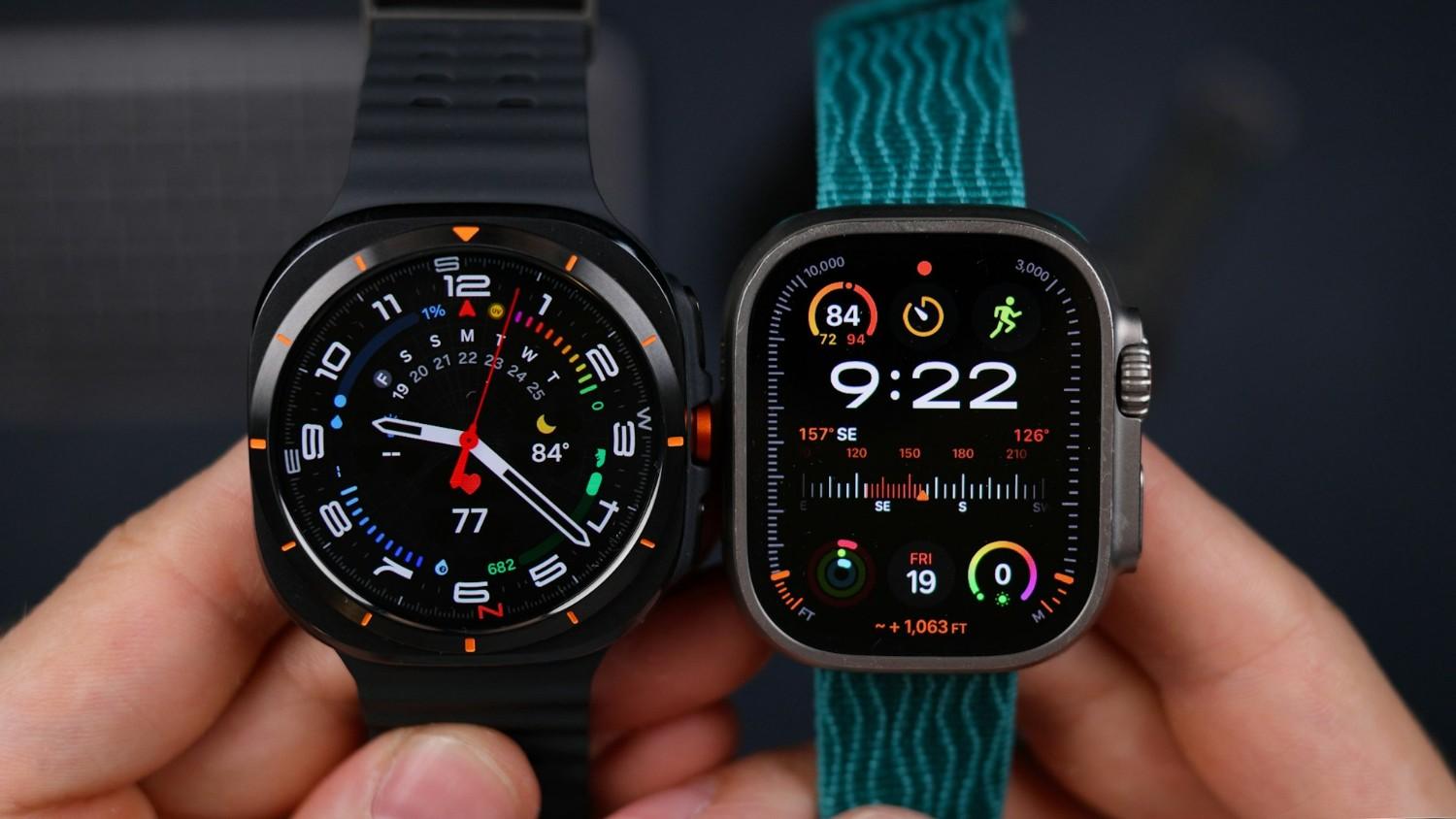
- Samsung Galaxy Watch — leaning heavily into AI-driven, proactive health guidance rather than passive tracking.
- Apple Watch — rumored improvements include more advanced health sensors, better battery efficiency, and deeper on-device AI features.
- Google Pixel Watch — continuing to lean on Fitbit’s AI health tracking and Tensor-chip-powered personalization.
- Garmin — sticking to its strength in rugged, adventure-focused hardware with continued sensor refinement.
Should You Wait to Buy an Upcoming Smartwatch, or Buy Now?
If daily health insight matters most to you, it’s worth watching how AI health coaching features roll out over the next model cycle, since that’s where the meaningful upgrades are happening. If you mainly want reliable fitness and notification tracking, today’s watches already cover the basics well. Either way, focus less on the screen and more on what’s actually improving underneath it — sensors, AI interpretation, and battery efficiency are where upcoming smartwatches are making their real leap forward.